• The new Python extension is now available. It allows customers to deploy and manage WSGI-based Python applications on their websites directly from Plesk.
  • The Plesk Mobile apps for iOS and Android and the Plesk Mobile Center extension have been deprecated, and are no longer available for new installations. In Plesk Obsidian 18.0.84, the Plesk Mobile Center extension will be removed from servers during the upgrade, and the Plesk Mobile apps will lose their server management features.
  • The Social Login extension has been deprecated and will be removed in Plesk Obsidian 18.0.84. After that, it will no longer be possible to log in to Plesk with a Google, Facebook, GitHub account, or with a passkey. Plesk usernames and passwords, as well as logging in with a WebPros Account, are not affected.

Issue Charset Issue

Robin McDermott

Basic Pleskian
Server operating system version
AlmaLinux 9.5
Plesk version and microupdate number
Plesk Obsidian 18.0.67 Update #2
We migrated to a new server in December and have noticed issues with the display of some characters in our web application:

Dvorský
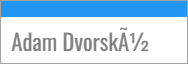
1742300952489.png

Years ago when we had this issue, we added:

AddDefaultCharset ISO-8859-1

in Additional Apache directives to HTTP and HTTPS for each affected domain to overcome a similar problem with "special" characters (to us in North America).

I am wondering if we should be using a different charset? We do translate content into several different languages (Chinese, Japanese, Russian, Polish...) and don't want that to be impacted by any changes.
 
What PHP version are you using? We encountered such an issue when using an old MySQL connector from PHP 5.x.
 
Do your connection collation and charset match the database collation and charset?

SQL:
MariaDB [(none)]> SHOW SESSION VARIABLES LIKE 'character\_set\_%';
+--------------------------+---------+
| Variable_name            | Value   |
+--------------------------+---------+
| character_set_client     | utf8mb3 |
| character_set_connection | utf8mb3 |
| character_set_database   | latin1  |
| character_set_filesystem | binary  |
| character_set_results    | utf8mb3 |
| character_set_server     | latin1  |
| character_set_system     | utf8mb3 |
+--------------------------+---------+
7 rows in set (0.001 sec)

MariaDB [(none)]> SHOW SESSION VARIABLES LIKE 'collation\_%';
+----------------------+--------------------+
| Variable_name        | Value              |
+----------------------+--------------------+
| collation_connection | utf8mb3_general_ci |
| collation_database   | latin1_swedish_ci  |
| collation_server     | latin1_swedish_ci  |
+----------------------+--------------------+
3 rows in set (0.001 sec)
 
Sorry about that. I was under the impression you were getting the data from a database. In this case, the MariaDB part is not relevant.
 
Back
Top